
Dastarkhwan, this Persian-origin word, is used across Central and South Asia to refer to the traditional dining space where food is eaten. Dastarkhwan means the TABLE CLOTH or a DINING SPREAD, which is spread on the floor or on a table on which food is laid out. The dastarkhwan acts as a sanitary and welcoming surface for meals. People sit around this cloth to eat, so it is both the cloth and the space where you eat.
Sitting around this dining setup to enjoy food with loved ones is a vital cultural practice, deeply associated with bringing BARKAT into the home. In the past, it was the happiest spot in the house. As you all know, food is prepared with love in the kitchen and then brought to the dastarkhwan.
There was a time when the dastarkhwan was considered to be a family hub for tasty and healthy food, bonding, hospitality, love, respect, conversation, exchange of ideas and togetherness! The dastarkhwan played a vital role in keeping families together.
That togetherness is no longer a factor, as the collapse of the joint family system has significantly affected the traditional way of enjoying a variety of foods and joint family activities. This downfall is actually very technical. Individual setups have become more common among the younger generation. Urbanisation and migration have forced members away from ancestral homes, breaking the traditional joint family structure and creating nuclear families. The desire for a private lifestyle has led people to choose smaller family units over larger, traditional shared establishments. The disparity in meal timings caused by the modern, fast-paced lifestyle is a major factor in the fading tradition of the dastarkhwan.
While the traditional dastarkhwan concept is fading in urban areas, it is still practiced in many traditional households. Although dining tables have become common in cities across India, floor or floor-mat dining remains highly prevalent in rural and semi-urban areas in states like Rajasthan, Bihar, U.P., Odisha and almost all Southern states. While modern dining tables have replaced the traditional setting, the true essence of the dastarkhwan is FAMILY BONDING, which has not yet completely disappeared.
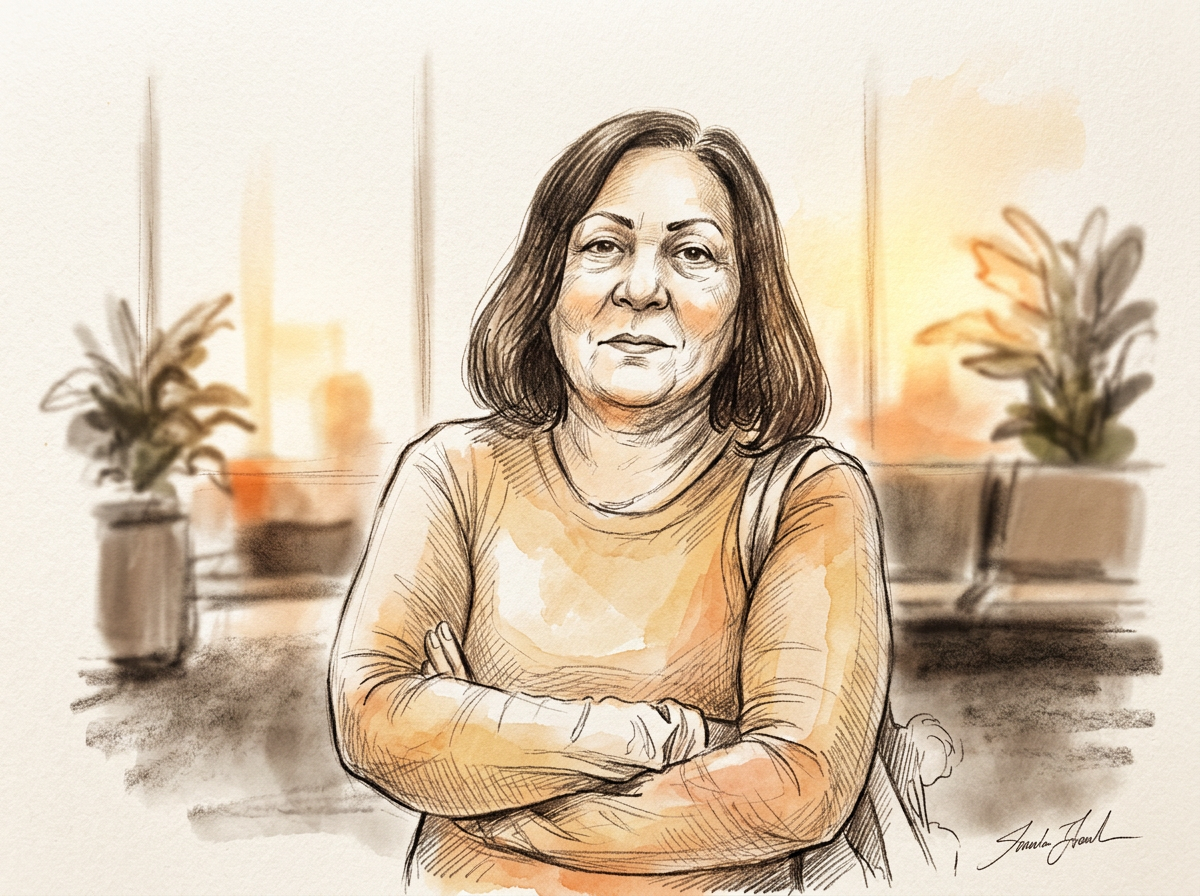
To revive the warmth of shared meals, the lady of the house has to play a key role by identifying a consistent daily time that accommodates everyone's busy schedule. She has to make some extra efforts to keep the family together. Through her efforts, the dastarkhwan/dining table can once again become a place where everyone can enjoy a meal together and laugh together, and this cordial atmosphere will help them feel more connected and more fulfilled.
Do not aim for perfection immediately; starting with two meals a week is sufficient. If the weeknights are too busy, start by gathering for weekend brunch or dinner. Allow family members, including children, to help with the food. Before starting the meal, create a screen-free zone and try to engage in face-to-face conversations. Keep the environment relaxed, friendly and positive. This will boost family dynamics.
If the lady of the house is making extra efforts to keep the family united, it's the duty of other family members to recognise her efforts. Everyone should contribute towards the betterment of the family by letting go of minor arguments that often arise during gatherings. Once you succeed in this mission, it brings profound internal peace and satisfaction.
So, BRIGHTEN YOUR DASTARKHWAN by adding love and empathy to your food, making every day better. In a world of changing priorities, nothing is more satisfying than bringing the family together and keeping our values alive. Eat well, stay Blessed.
With love, Rita 🍽️
Comments
Be the first to leave a comment!